Medical Writing
QC Automation

for Pharma Biotech

With the increase in regulatory expectations and submission timelines getting shorter, quality control in medical writing has become more complex and resource-intensive. Traditional manual QC processes are no longer sufficient to handle growing document volumes, evolving global regulations, and increasing scrutiny from health authorities.

REGai-MW-QC-Automation-mock

0%

Reduction in QC Time

0%

Consistency Check

0

Formatting Errors

21

CFR Part 11 Compliant

The Challenge: Limitations of Manual QC

At DDi, we understand that errors in medical documents can lead to regulatory questions,
submission delays, and reputational risk. Even minor inconsistencies can trigger agency queries.

time-consuming

Time-Consuming

Reviewing lengthy clinical documents line by line slows down submission timelines and increases pressure on medical writers.

human-error

Human Error

Fatigue, repetitive checks, and tight deadlines can lead to missed inconsistencies or overlooked formatting issues.

lack-of-standardization

Lack of Standardization

Different reviewers may apply QC rules inconsistently, leading to variable quality across documents and projects.

scalability-issues

Scalability Issues

As organizations expand globally, maintaining consistent QC manually becomes increasingly complex.

Our Solution:
Intelligent Automation and AI

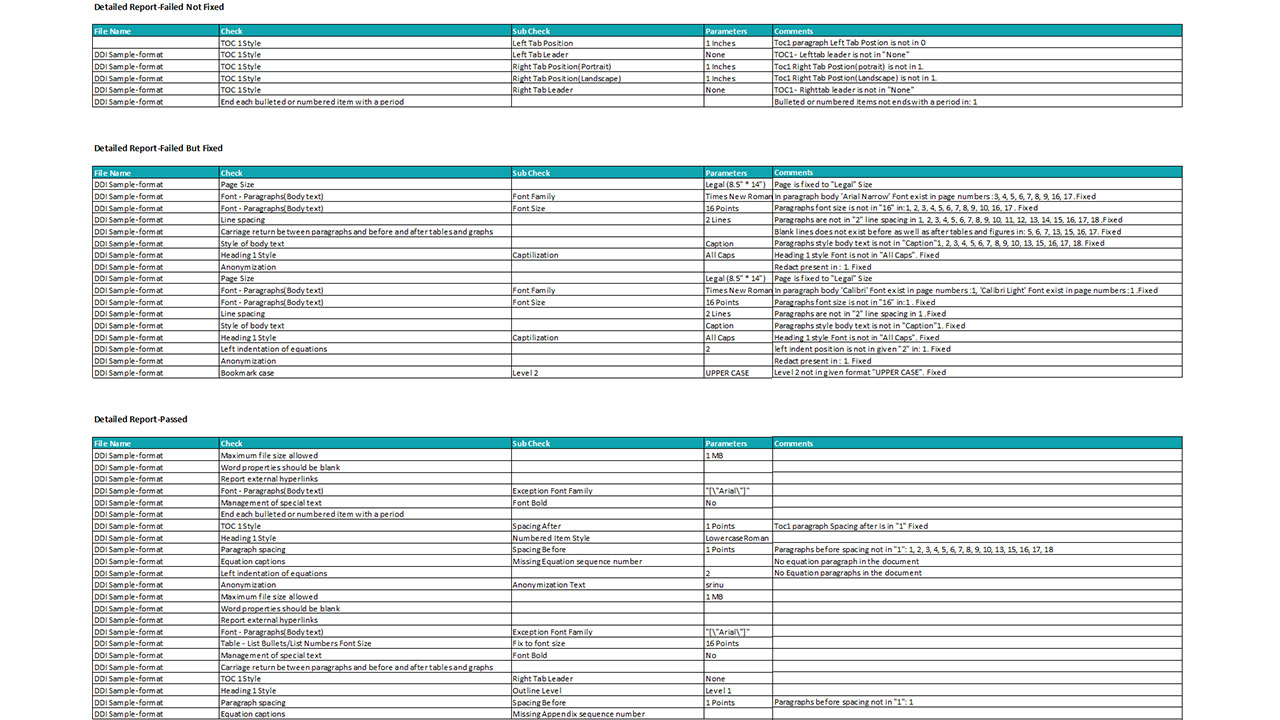
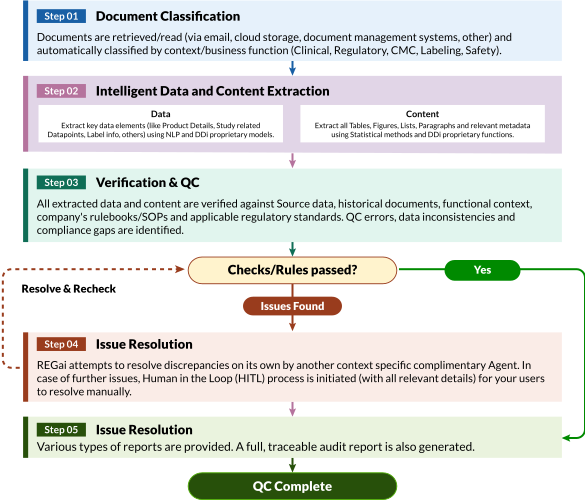
Automation introduces rule-based checks and AI capabilities that systematically validate documents against predefined standards.
By automating repetitive checks, our platform allows medical
writers and QC reviewers to focus on higher-value scientific and
regulatory assessments rather than mechanical tasks.

Unlike static systems, our AI models continuously improve by learning
from historical documents, agency feedback, and organizational preferences. This enables the detection of logical gaps, terminology inconsistencies, and conflicting data, ensuring strict alignment with regulatory best practices.
Content QC

Automation & AI helps identify inconsistencies in terminology usage, detects logical gaps, flags conflicting data across sections, and highlights deviations from regulatory writing best practices.
Unlike static rule-based systems, our AI models continuously improve by learning from historical documents, agency feedback, and organizational preferences.
AI also supports cross-document QC by comparing multiple documents within a submission to ensure alignment across protocols, clinical study reports, investigator brochures, and summaries.

Terminology Consistency

Logical Gap Detection

Cross-Doc Alignment

Adaptive Learning

Key Capabilities

Comprehensive validation and rapid scanning for modern Medical Writing.

template-compliance

Template Compliance

Ensure documents follow organizational standards and regulatory expectations every time.

rapid-scanning

Rapid Scanning

Instantly scan documents for hundreds of parameters that would take hours to review manually.

comprehensive-validation

Comprehensive Validation

Automate checks for data consistency, formatting, style guide adherence, and reference validation.

table-figure-verification

Table & Figure Verification

Verify in-text data against Tables, Listings, and Figures (TLFs) to ensure 100% data accuracy.

cross-document-qc

Cross-Document QC

Compare multiple documents (Protocols vs CSRs) to ensure alignment of data and terminology.

ai-learning

AI Learning

Our AI models continuously improve by learning from historical documents and organizational preferences.
Benefits of Automating Your Medical Writing QC Process

Transform your medical writing process with technology-enabled QC.

Improved Accuracy

Automated and AI-driven QC reduces the risk of errors that can lead to regulatory questions or submission rejection.

Faster Turnaround

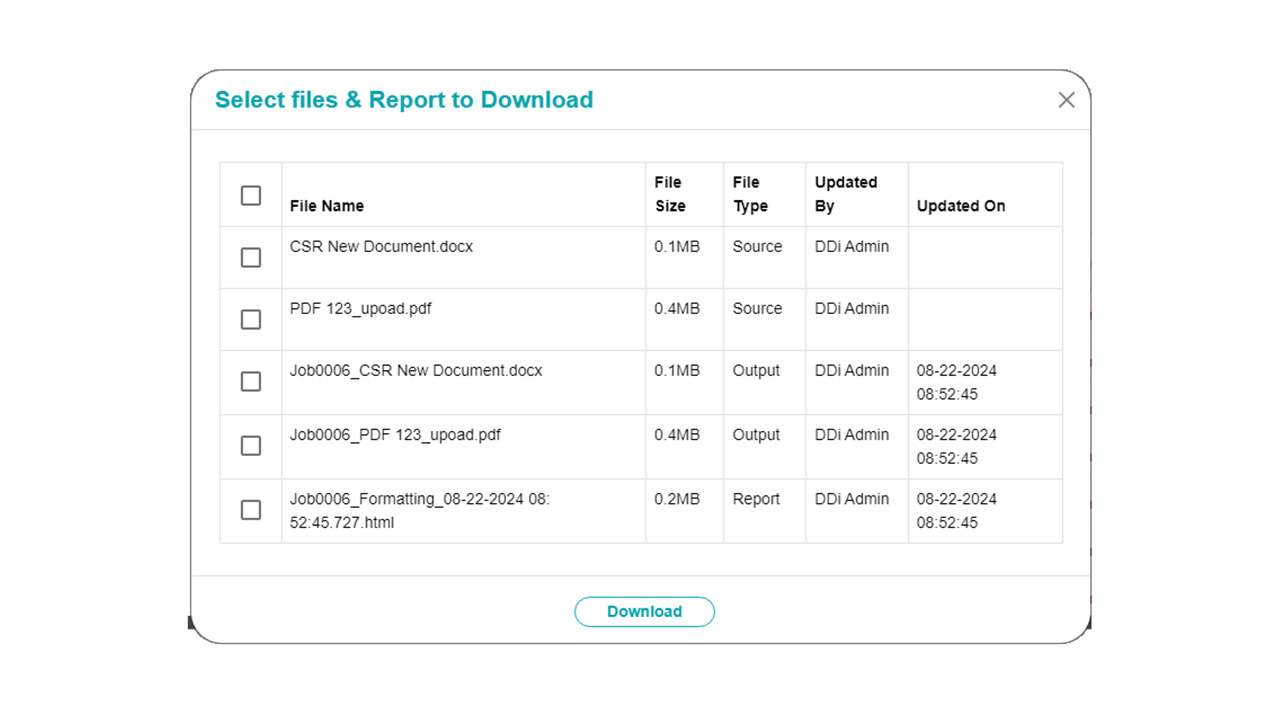
Automated checks run in minutes, accelerating document finalization and enabling teams to meet aggressive submission deadlines.

Global Consistency

Ensure uniform application of QC standards across teams, geographies, and projects.

Audit Readiness

QC activities are traceable, repeatable, and documented, supporting inspection preparedness and quality audits.

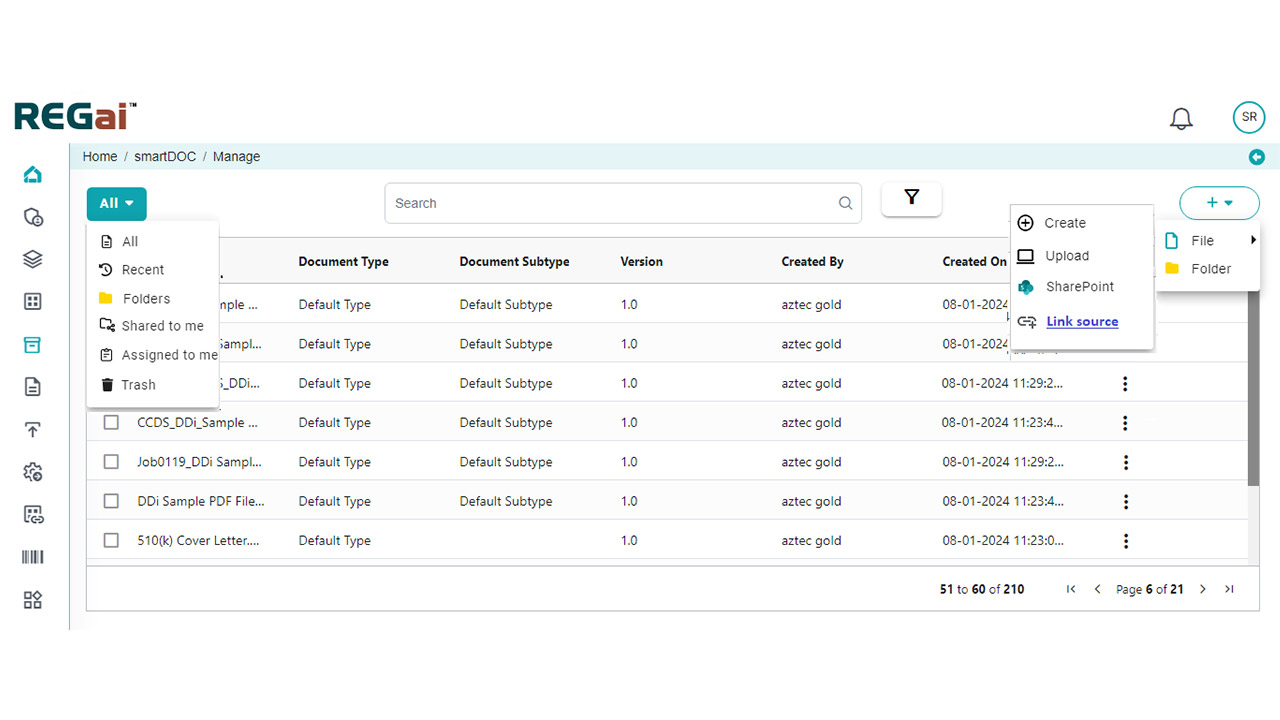
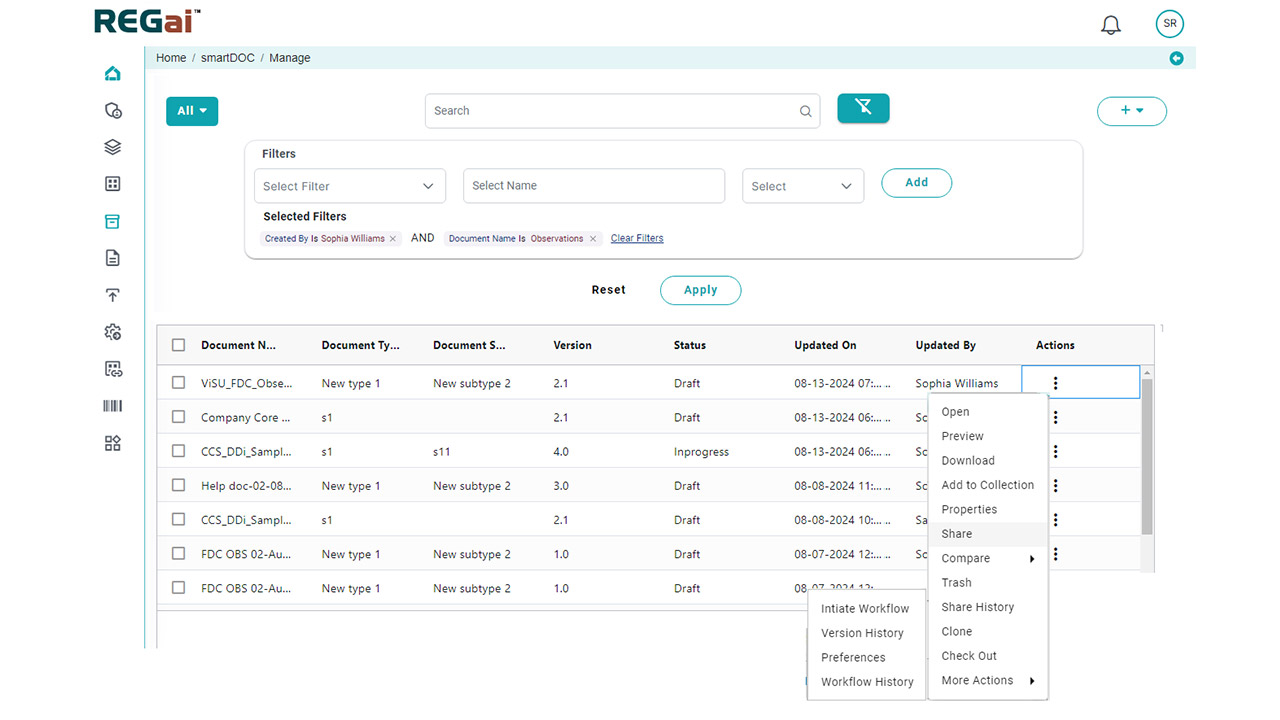
Platform Interface

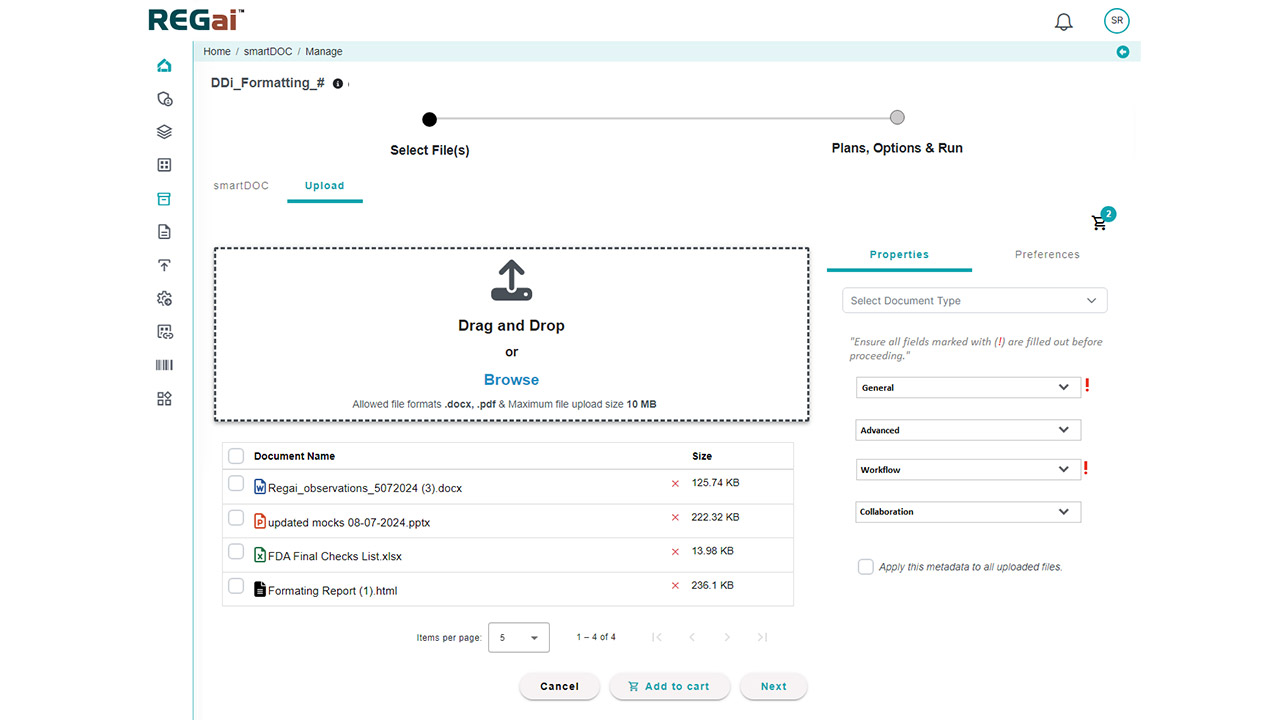
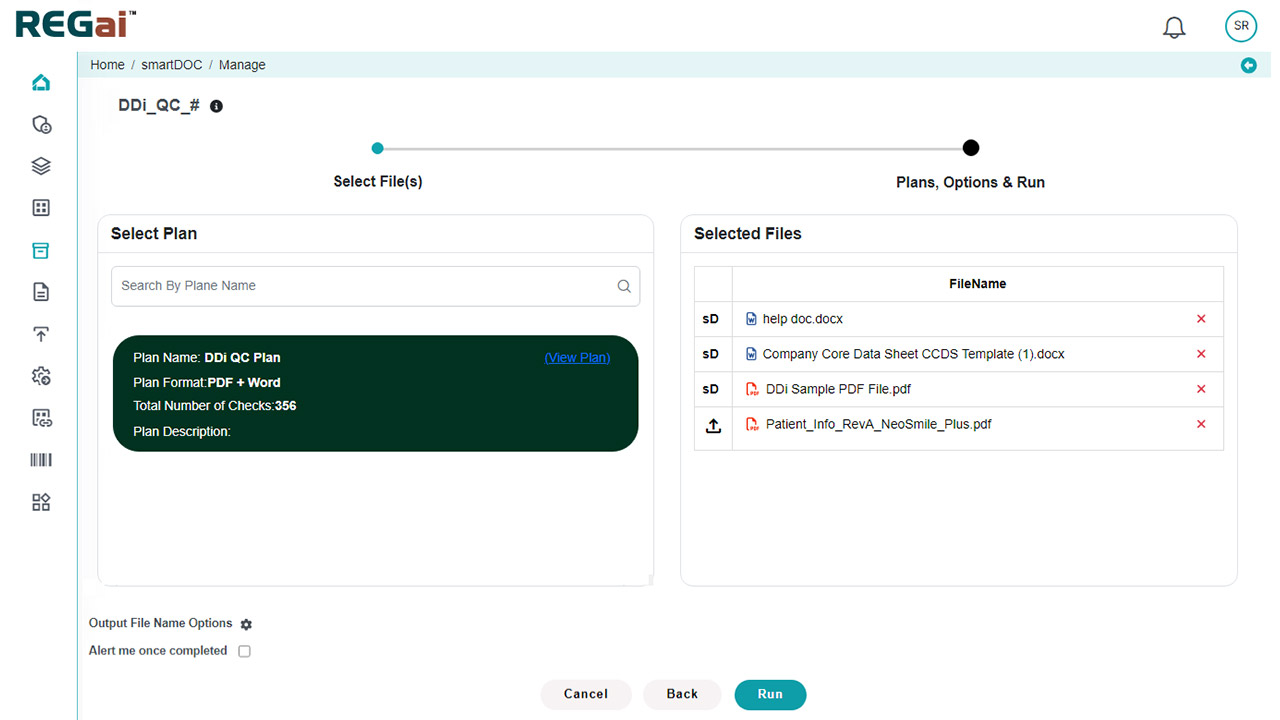
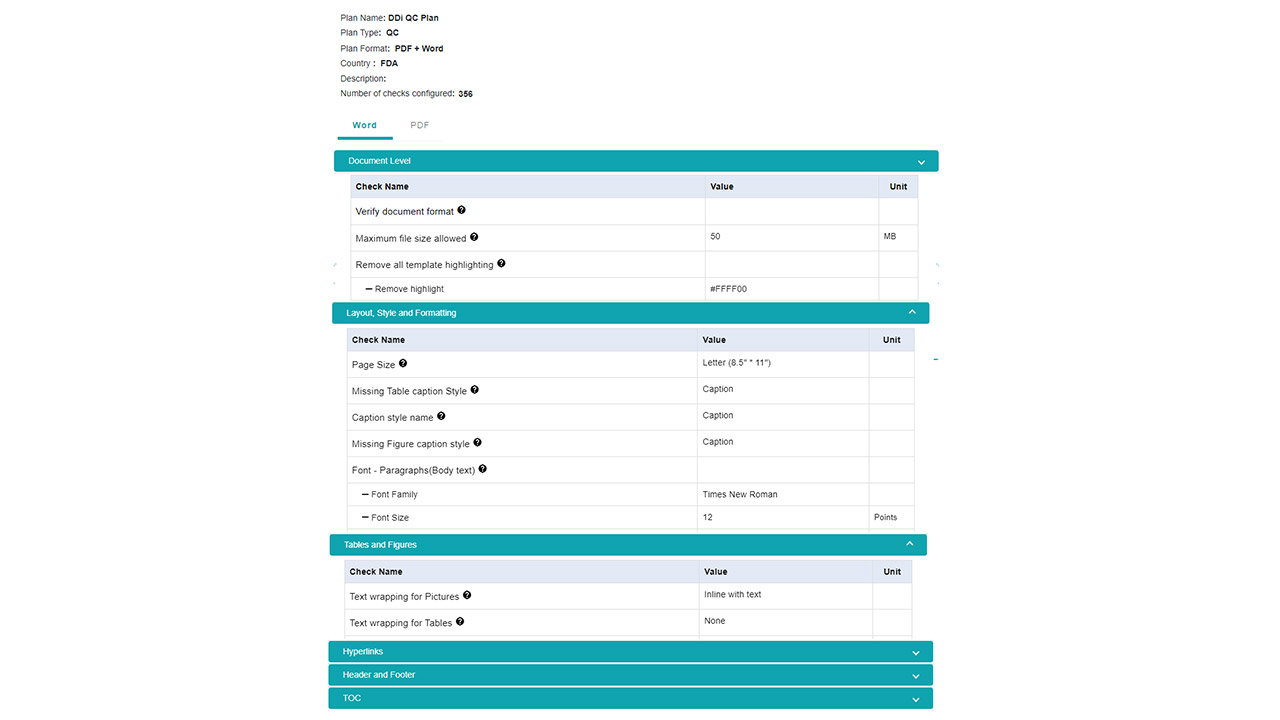
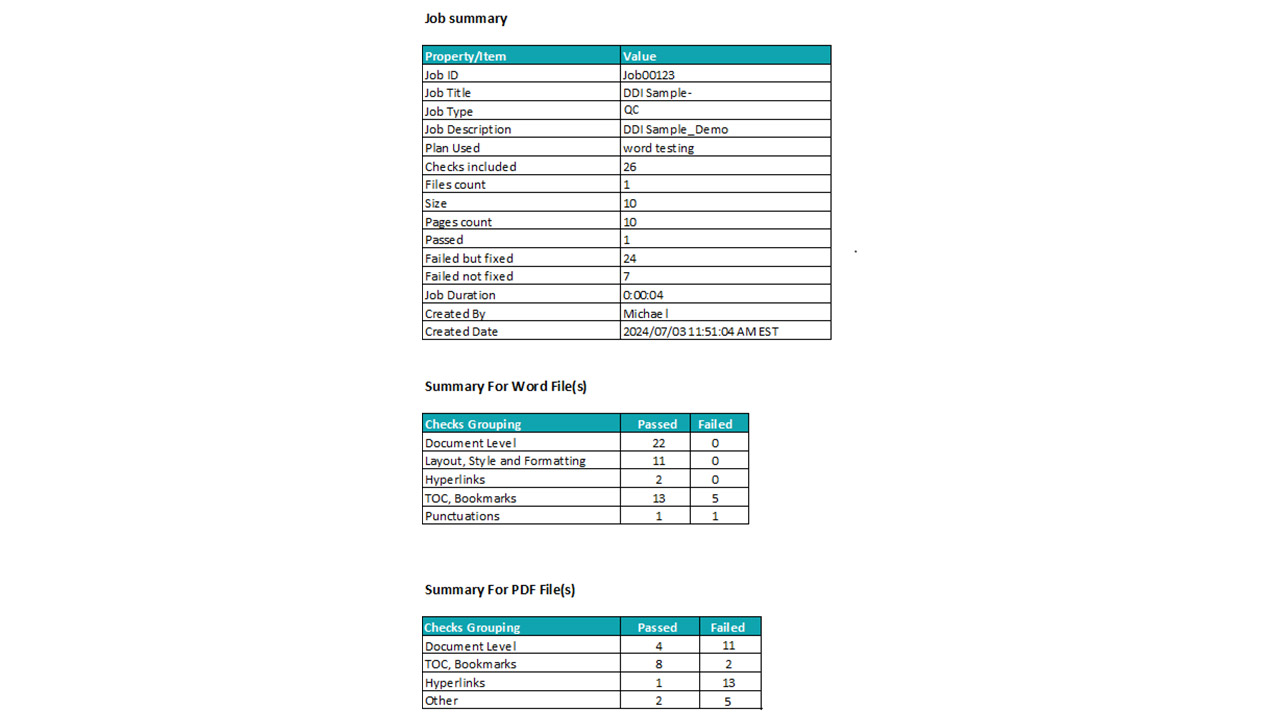
Experience the intuitive design of DDi's Medical Writing QC Automation process.

Ready to Transform Your QC Process?

Move away from manual redlining. Adopt an AI-driven, automated QC solution designed for modern Medical Writing.

Related Tools & Solutions

Regulatory Impact Assessment (RIA)

Regulatory Impact Assessment (RIA) for Pharma & Biotech AI-Powered Regulatory Impact Assessment in Days (not Week...

Medical Writing Formatting Autom...

Medical Writing Formatting Automation Word is undoubtedly the world’s most popular word processing program. You’ve ...
BioPharma_Regulatory-Information-Management

Medical Writing Solutions

Medical Writing Solutions While some documents like a Protocol, CSR are science based, other documents like Syno...

Explore Insights

With increase in regulatory expectations and submission timelines get shorter, quality control in medical writing ha...
Clinical and scientific writing forms the backbone of regulatory submissions, clinical trial documentation, and scie...
Medical writing is the unsung hero of the pharmaceutical and biotech industries. Whether drafting a clinical study r...
The First Step

Let's talk about how DDi can help you